
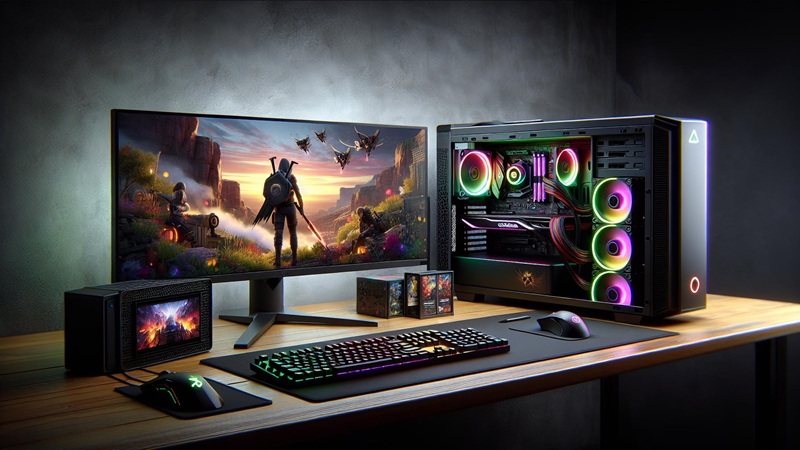
The gaming world continues to evolve at an astonishing pace, and as we move through 2025, we are witnessing a wave of innovations reshaping how players interact, compete, and create. From the rise of Linux-based gaming platforms to the expansion of artificial intelligence in game design, this is the golden age for both developers and players. PB LinuxTech brings you the most comprehensive insights into the latest developments in gaming, focusing on technology, platforms, and community-driven experiences that define the current digital landscape.
The Ever-Expanding Gaming Ecosystem
Over the last decade, the gaming industry has transformed from niche entertainment into a global economic powerhouse. It’s no longer just about consoles and PCs—gaming now spans across mobile devices, cloud systems, and even wearable technologies. In 2025, we are seeing a convergence of these platforms, creating a seamless gaming experience regardless of where or how you play.
PB LinuxTech has been at the forefront of documenting this evolution. The platform highlights how open-source systems, advanced hardware, and creative design philosophies are revolutionizing the way gamers connect and enjoy digital entertainment. Whether you are a professional gamer, developer, or casual player, this new generation of gaming offers endless opportunities for creativity and performance.
Linux and Gaming: A Perfect Match
One of the biggest developments in recent years has been the growth of Linux gaming. Once seen as a platform mainly for developers and system enthusiasts, Linux has now become a mainstream choice for gamers. Thanks to advancements like Proton, Wine, and Steam Deck compatibility, Linux users can enjoy thousands of Windows titles without compromise.
PB LinuxTech’s reports indicate that the gaming compatibility rate for Linux now exceeds 85% for major titles. Developers are beginning to prioritize Linux builds for their games, optimizing performance and stability. This marks a huge step forward, positioning Linux not just as an alternative, but as a powerful and reliable primary gaming platform.
Moreover, Linux gaming provides unmatched flexibility. Players can customize kernels, tweak graphic drivers, and enhance overall performance without being restricted by proprietary systems. For developers, Linux’s open-source nature fosters innovation, collaboration, and transparency—values that are deeply embedded in the gaming community.
Cloud Gaming: The Revolution Continues
Cloud gaming has rapidly evolved from a futuristic concept to a global reality. In 2025, cloud-based platforms allow players to stream AAA titles directly to any device without the need for expensive hardware. Services like GeForce NOW, Xbox Cloud, and emerging Linux-based systems make it possible to play high-end games on minimal setups.
PB LinuxTech notes that the integration of cloud gaming with Linux distributions has made the experience smoother and more accessible. Many users now run lightweight Linux systems optimized for streaming, significantly reducing system costs while maintaining graphical fidelity. This democratization of gaming means that anyone, regardless of hardware limitations, can enjoy next-gen visuals and gameplay.
AI and Machine Learning in Game Development
Artificial Intelligence has taken center stage in both game design and player experience. In 2025, AI algorithms generate more dynamic environments, smarter non-player characters (NPCs), and realistic physics systems. Machine learning assists developers in testing, balancing gameplay, and even predicting user preferences.
PB LinuxTech’s gaming insights reveal how AI-driven engines are being used to create personalized experiences. For example, modern RPGs can now adapt storylines based on your decision-making patterns, ensuring that no two playthroughs are alike. This evolution enhances replayability and immersion, solidifying gaming as one of the most interactive entertainment mediums ever created.
Additionally, AI is optimizing game production pipelines. Studios now rely on automated asset creation, bug detection, and voice synthesis to accelerate development. Independent developers, particularly those using Linux-based tools, are benefiting greatly from open-source AI libraries that cut costs and expand creative potential.
Esports and Competitive Gaming: The New Global Stage
Esports remains a major force in the gaming industry, attracting millions of viewers and professional players worldwide. In 2025, esports organizations are bigger and more influential than ever before. New genres, from tactical shooters to strategy simulators, have joined the competitive arena, each backed by high-stakes tournaments and international sponsorships.
PB LinuxTech emphasizes that Linux-based servers are increasingly being adopted in esports infrastructure. Known for their stability and security, Linux systems ensure minimal latency and high uptime—two critical components in professional competitive gaming. Developers and organizers now view Linux as an essential part of backend systems for online matches and tournaments.
Furthermore, the rise of AI-driven analytics in esports allows coaches and analysts to study player performance with unprecedented precision. Metrics such as reaction time, accuracy, and decision-making speed are tracked in real-time, helping teams optimize their strategies.
Virtual Reality (VR) and Augmented Reality (AR) Gaming
Virtual and augmented reality technologies have entered a new phase of maturity. In 2025, these immersive systems offer ultra-realistic visuals, spatial audio, and advanced haptic feedback, blurring the line between real life and digital play. The new generation of VR headsets is lighter, wireless, and compatible across platforms, including Linux.
PB LinuxTech’s coverage of VR trends shows that open-source drivers are playing a significant role in expanding accessibility. Linux developers are contributing to the VR ecosystem by creating modular frameworks that support multiple devices and engines. Games such as open-world explorers, simulation environments, and rhythm-based adventures now have dedicated Linux VR builds.
AR, on the other hand, is reshaping mobile and wearable gaming. Players can now engage with real-world locations in augmented battles or story-driven experiences. With improved GPS tracking and advanced motion sensors, AR games are merging physical movement with digital interactivity.
Indie Game Development: Creativity Without Boundaries
Indie game studios continue to flourish, driven by accessible tools and open-source platforms. In 2025, independent developers are producing some of the most innovative and emotionally rich games available. These smaller studios often use Linux for development, benefitting from powerful open-source engines like Godot, Unity (Linux-compatible), and Unreal Engine.
PB LinuxTech celebrates this creative freedom by spotlighting indie success stories. Many of today’s most acclaimed games—praised for their storytelling and artistic direction—originated from solo developers or small teams working on Linux systems. The lack of licensing costs, coupled with a passionate global community, enables indie creators to bring their visions to life without corporate interference.
The rise of community-driven platforms also allows direct player-developer interaction. Feedback loops, modding support, and open beta testing contribute to more polished and player-centric releases.
Game Streaming and Content Creation
The popularity of streaming and content creation has exploded in recent years, turning gamers into influencers and entrepreneurs. Platforms like Twitch, YouTube, and emerging Linux-friendly alternatives have given rise to a new generation of digital entertainers.
PB LinuxTech reports that many content creators are switching to Linux-based setups for performance and customization advantages. Streamers can now use open-source tools such as OBS Studio, Kdenlive, and Shotcut to produce professional-quality broadcasts and videos. Linux’s efficiency ensures smoother multitasking, reduced latency, and better hardware resource management during live sessions.
Additionally, new plugins and community support make Linux streaming setups more accessible than ever. As content creation continues to drive gaming culture, the synergy between open-source software and creative expression becomes increasingly evident.
Gaming Hardware: Pushing the Limits
Gaming hardware in 2025 is defined by power, efficiency, and sustainability. Modern GPUs and CPUs deliver unprecedented performance while consuming less energy. Companies are embracing eco-friendly production methods, reflecting a global shift toward greener technology.
PB LinuxTech’s hardware analysis highlights key innovations shaping the gaming landscape:
-
Ray tracing has become standard, enhancing realism with dynamic lighting and shadows.
-
Solid-state drives (SSD) ensure near-instant loading times.
-
Advanced cooling systems keep high-performance PCs stable during intense sessions.
-
Linux kernel optimizations allow users to fine-tune hardware directly, achieving unparalleled performance.
Gamers now have the freedom to build personalized setups, from compact handheld consoles to liquid-cooled desktop rigs. This flexibility empowers every player to tailor their experience based on preference and budget.
The Future of Gaming Communities
Community remains the backbone of gaming. In 2025, online gaming communities are more diverse and inclusive than ever before. Social platforms, forums, and in-game chat systems foster collaboration, discussion, and shared experiences across borders.
PB LinuxTech underscores the role of open-source forums and Linux-based community servers in maintaining healthy digital ecosystems. Unlike closed networks, these open systems promote transparency, creativity, and mutual support. Gamers can host their own private servers, customize rules, and even modify game code for unique experiences.
Inclusivity initiatives have also transformed the gaming landscape. Developers are making strides toward accessibility, ensuring players with disabilities can participate fully. From adaptive controllers to text-to-speech interfaces, the industry’s focus on universal design is making gaming truly for everyone.
Security and Privacy in Gaming
As the gaming industry expands, so do concerns about data protection and cybersecurity. Online games now handle vast amounts of personal information, from player profiles to payment details. Linux users, however, enjoy a distinct advantage due to the system’s robust security architecture.
PB LinuxTech emphasizes the importance of open-source transparency in maintaining trust. Since Linux code can be publicly reviewed, vulnerabilities are identified and patched faster than in proprietary systems. Gamers using Linux-based systems can configure firewalls, sandbox applications, and encrypt data with ease, ensuring safer play.
Moreover, blockchain technology is gradually entering the gaming scene, offering new ways to secure transactions, verify ownership, and enable decentralized marketplaces.
The Rise of Blockchain and NFTs in Gaming
Blockchain technology is reshaping digital ownership. In 2025, non-fungible tokens (NFTs) and blockchain assets allow players to own unique in-game items, skins, or achievements that hold real-world value. Although this concept remains controversial, it’s undeniably altering how developers and players perceive virtual economies.
PB LinuxTech examines blockchain integration in gaming, particularly in open-source ecosystems. Linux servers, known for reliability and scalability, are ideal for decentralized applications. Developers are experimenting with ways to merge blockchain with traditional gameplay without compromising accessibility or enjoyment.
Players now have true digital ownership—meaning assets can be transferred, traded, or sold across compatible platforms, introducing new economic opportunities within gaming.
Education Through Gaming
Educational gaming is another booming sector. From simulation software to strategy-based learning environments, games are becoming valuable tools in classrooms and online education. Linux-based educational games are especially popular due to their adaptability and affordability.
PB LinuxTech supports initiatives that use gaming to teach coding, problem-solving, and creativity. Students can modify open-source games to learn programming languages like Python or C++, developing real-world skills through play. This gamified approach to learning not only enhances engagement but also prepares future generations for tech-driven careers.
Conclusion: PB LinuxTech and the Next Generation of Gaming
The world of gaming is changing faster than ever, blending creativity, technology, and community into an ever-evolving ecosystem. From the dominance of Linux-based gaming to breakthroughs in AI, cloud systems, and immersive technologies, 2025 marks a turning point in digital entertainment.
PB LinuxTech stands at the intersection of these developments, continuing to inform, inspire, and empower gamers and developers alike. As open-source innovation merges with gaming culture, we move closer to a world where everyone can play, create, and share without barriers.
Gaming is no longer just a pastime—it’s a global language of imagination, powered by technology and driven by community. The future is bright, the systems are open, and PB LinuxTech is your guide to navigating it all.