
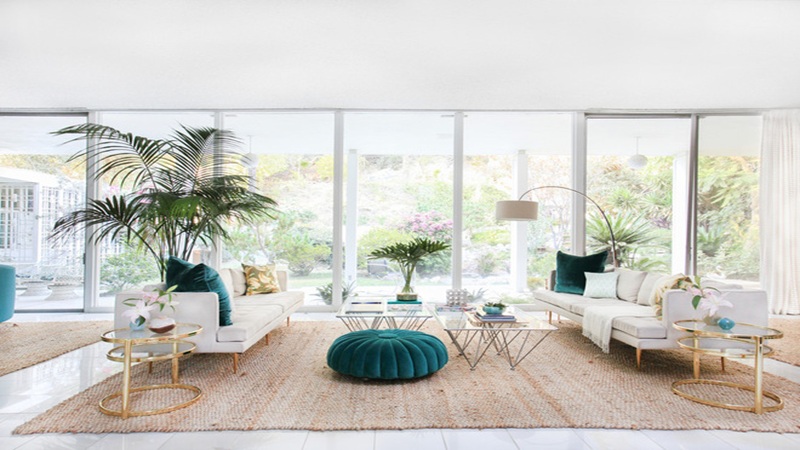
Living in a compact home does not mean you have to sacrifice comfort, beauty, or the feeling of spaciousness. Many people around the world are embracing smaller homes because of rising real estate costs, environmental sustainability, and the cozy charm of minimalist living. The key lies in smart design choices, organization, and intentional decorating. If you’ve ever wondered how to make a compact home feel open and airy, this guide provides everything you need. From maximizing natural light to choosing the right furniture, every tip is aimed at transforming your small space into a welcoming retreat.
Understanding the Challenges of Compact Living
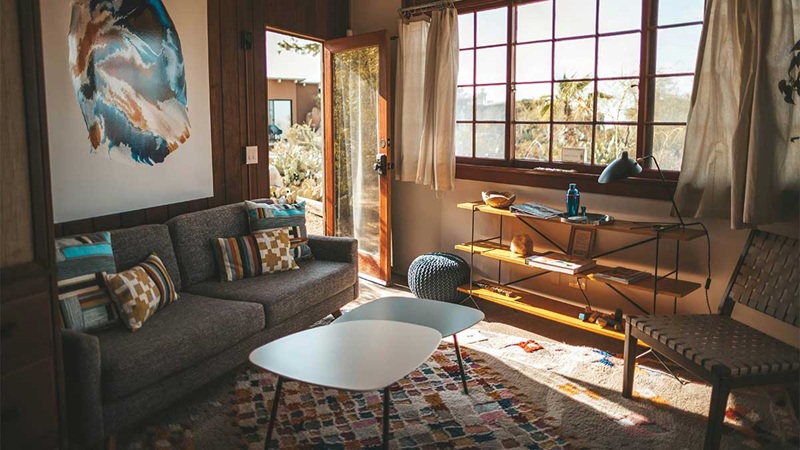
Compact homes often come with challenges such as:
-
Limited storage space
-
Lack of natural light in certain rooms
-
Small rooms that feel cramped
-
A cluttered appearance when furniture is not chosen wisely
These issues can make a home feel tight and uncomfortable. However, with thoughtful design solutions, it’s possible to create a sense of openness and calm. When you understand how to make a compact home feel open and airy, you can embrace the benefits of small living without feeling restricted.
Embrace Natural Light
The first rule of how to make a compact home feel open and airy is to maximize natural light. Small spaces tend to feel more enclosed when they are dark. Here’s how to bring in more brightness:
-
Use sheer curtains: Replace heavy drapes with light, translucent fabrics that allow sunlight to pass through.
-
Keep windows clean: Even a little dust or grime can block natural light. Clean windows brighten interiors instantly.
-
Mirrors opposite windows: Placing mirrors strategically reflects sunlight deeper into the room, creating a larger, brighter feel.
Natural light does more than open up a space—it improves mood and gives the illusion of higher ceilings and wider walls.
Choose Light and Neutral Colors
Color plays a massive role in creating the perception of space. Dark colors tend to trap light and make walls appear closer, while light and neutral tones create the illusion of a larger space.
-
Opt for soft whites, creams, light grays, and pastels for walls.
-
Use monochromatic color schemes—different shades of the same color add depth without breaking flow.
-
Accent colors like blues or greens in décor pieces can create personality without overwhelming the room.
If you want to know how to make a compact home feel open and airy, start with the walls, ceiling, and flooring palette.
Smart Furniture Selection
Oversized furniture is one of the most common mistakes in compact homes. To keep things balanced:
-
Choose multipurpose furniture: Beds with storage drawers, foldable dining tables, and ottomans that double as storage help reduce clutter.
-
Use furniture with legs: Exposed legs create the illusion of more floor space.
-
Avoid bulky designs: Sleek, minimalistic pieces look elegant without consuming space.
This is especially important for urban apartments where every square foot matters.
Declutter and Organize
Clutter is the enemy of spaciousness. A small home filled with unnecessary items will always feel cramped. To solve this:
-
Adopt minimalism: Keep only what you need or what brings you joy.
-
Use hidden storage: Under-bed drawers, storage ottomans, and wall-mounted cabinets are great space savers.
-
Create zones: Designate areas for different activities to maintain order and avoid overlap.
A tidy home instantly feels more breathable. Decluttering is one of the most affordable ways when considering how to make a compact home feel open and airy.
Incorporate Mirrors and Reflective Surfaces
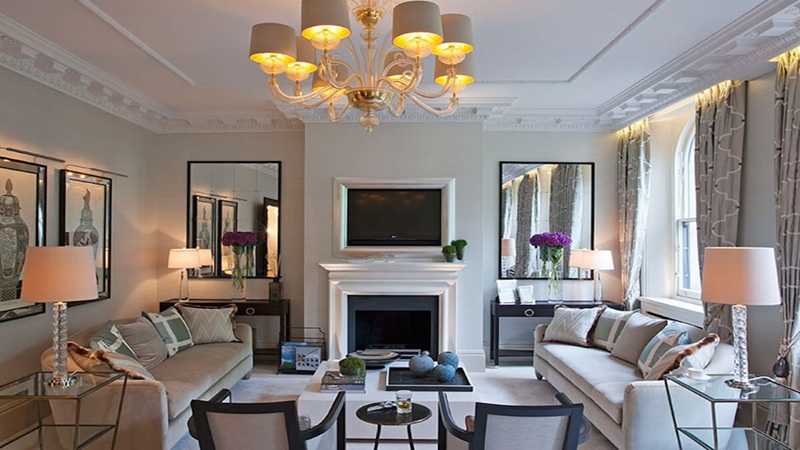
Mirrors are a tried-and-true trick in interior design for enlarging a space visually. They bounce light around the room, add depth, and make walls appear further away.
-
Large wall mirrors in living rooms expand horizons.
-
Mirrored furniture like coffee tables or cabinets adds a luxurious yet spacious touch.
-
Glossy finishes on tiles or countertops also help light travel better.
This simple adjustment can completely change the feel of a compact room.
Maximize Vertical Space
When floor space is limited, think vertically. Tall furniture and wall storage make the most of unused height:
-
Add tall shelving to naturally guide the eye upward.
-
Use hanging planters instead of floor plants.
-
Add vertical art to emphasize height.
By expanding upward, you reduce clutter at ground level and free up walking space, a critical element in how to make a compact home feel open and airy.
Open-Plan Living
If possible, break down unnecessary walls and embrace open-plan layouts. Knocking down barriers between the living room and kitchen, for example, creates a sense of flow and openness.
-
Use area rugs to define zones without walls.
-
Choose consistent flooring across rooms to enhance continuity.
-
Use half-walls or glass panels in place of solid partitions to maintain natural light flow.
This technique works best in modern homes but can be adapted in older spaces with clever design.
Create Visual Continuity
Disjointed styles can make a small home look cluttered. To create harmony:
-
Stick to a consistent color palette across rooms.
-
Use similar materials and finishes (e.g., wood, metal, glass) for furniture.
-
Maintain balanced proportions—don’t mix overly large furniture with extremely tiny décor.
Smooth visual flow ties a compact home together, making it appear broader and more inviting.
Use Glass and Transparent Elements
Transparent materials reduce visual barriers and allow spaces to breathe:
-
Glass dining tables give an illusion of openness.
-
Acrylic chairs are stylish and lightweight visually.
-
Glass doors allow light to pass between rooms.
Whenever possible, replace opaque elements with transparent or semi-transparent options. This is a design secret professionals use when teaching clients how to make a compact home feel open and airy.
Add Greenery Thoughtfully
Plants bring life into a home, but too many can overwhelm a compact area. Instead:
-
Place a handful of tall plants to naturally guide the eye upward.
-
Opt for wall planters instead of large pots on the floor.
-
Choose light, airy plants like ferns or palms instead of bushy species.
Greenery adds freshness and helps create an airy vibe when balanced correctly.
Keep Flooring Consistent
Using different flooring in each room can visually break up a compact home, making it feel smaller. Instead:
-
Choose one type of flooring material throughout the house (wood, laminate, or tile).
-
Use large format tiles to minimize grout lines, making the space look continuous.
-
Avoid heavy carpets that absorb light and shrink the feel of the room.
Continuity in flooring is a subtle but powerful trick to enlarge a space visually.
Lighting Matters
Artificial lighting is just as important as natural light. Poorly lit spaces always feel smaller.
-
Layer lighting: Use ambient, task, and accent lighting together.
-
Recessed lighting keeps ceilings clean and open.
-
Wall sconces free up floor and table space.
Warm, soft lighting creates a welcoming atmosphere, while cool lighting enhances brightness and openness.
Keep Décor Minimal but Meaningful
Décor should complement, not crowd, a compact home.
-
Choose larger statement pieces instead of many small items.
-
Keep walls uncluttered, using only one or two artworks per wall.
-
Use functional décor like stylish storage baskets.
Minimal but intentional decoration ensures that your home feels open, yet personalized.
Conclusion
Understanding how to make a compact home feel open and airy is about using creativity and intention. By maximizing light, choosing the right colors, organizing clutter, and making smart design decisions, even the smallest space can feel expansive and welcoming. Whether you live in a studio apartment, a tiny house, or simply a modest suburban home, these strategies can transform your living environment into a sanctuary of openness and comfort.